Osteoporosis: Why Strength Training Is the Best Medicine for Your Bones
And why waiting for a diagnosis could be the most dangerous mistake you make
When I worked in pharmaceutical sales, one of the first drugs I ever sold was Fosamax, a prescription used to treat and prevent osteoporosis. I remember learning all about bone density, calcium, vitamin D, and how these medications slow bone loss.
And yes, medication can help. But there’s something that’s even more powerful, something your body is literally designed to do: build bone naturally through strength training.
The Silent Disease Most Women Don’t Know They Have
Osteoporosis is often called a silent disease because it develops quietly, without symptoms, until it’s too late.
Many women find out they have it only after a “minor” fall or stumble, reaching out to catch themselves and suddenly realizing they’ve broken a wrist. Or worse, breaking a hip, which can be life-changing.
Here’s what the numbers show:
About 1 in 3 women over 50 will experience an osteoporosis-related fracture.
Hip fractures carry serious consequences, with up to 20–30% of women who break a hip dying within one year, often due to complications like infections or immobility.
In the U.S., more than 10 million adults already have osteoporosis, with another 43 million at risk.
These aren’t just statistics. They’re mothers, daughters, and grandmothers who have spent their lives taking care of everyone else and are now discovering how fragile their own bones have become.
Why Strength Training Beats the Pill
Medications like Fosamax and others in its class (bisphosphonates) slow the breakdown of bone, but they don’t necessarily build new bone the way your body naturally can.
When you lift weights or do resistance training, your bones experience small, healthy amounts of stress. This triggers your body to strengthen them, just like muscle tissue. It’s called mechanical loading, and it’s the stimulus your bones need to stay strong.
Here’s the key difference:
Medication slows loss.
Strength training builds strength.
Even more powerful? If you start strength training before you’re diagnosed, before menopause, before your first DEXA scan shows bone loss, you dramatically lower your risk of ever developing osteoporosis in the first place.
What About Pilates or Barre? Where They Help and Where They Fall Short
I get this question all the time: “Does Pilates or barre help with osteoporosis?”
Both have incredible benefits, but they’re often misunderstood when it comes to bone health.
Pilates builds core strength, posture, and balance, all of which help prevent falls and spinal fractures. It improves body awareness and alignment, which are crucial for moving safely. Reformer Pilates can even offer some moderate resistance, depending on the spring tension and exercises.
But here’s the truth: while Pilates helps maintain bone density and mobility, it doesn’t create the kind of progressive overload your bones need to grow stronger.
Barre is similar. It enhances balance, stability, and joint mobility, but the movements are small and typically use very light resistance. Great for grace and endurance, but not enough load to stimulate new bone growth.
That doesn’t mean you should stop doing them. It means you should combine them:
“Use Pilates and barre to move better and prevent falls.
Use strength training to make your bones unbreakable.”
When you put it all together, you get stronger bones and better movement, the best of both worlds.
It’s Never Too Late (But Don’t Wait Too Long)
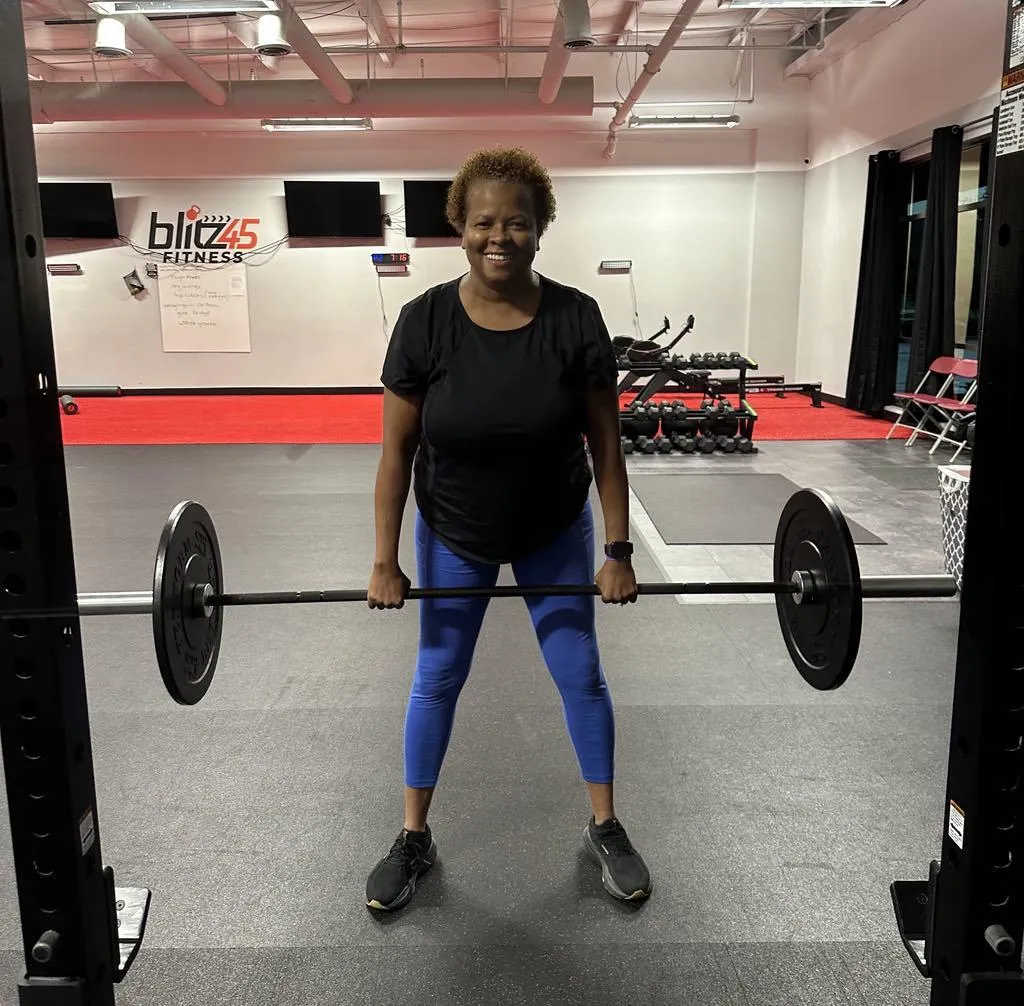
I see it all the time in my gym. Women who’ve been told by their doctor they have osteopenia or osteoporosis and need to start strength training.
They walk in nervous, sometimes afraid to even pick up a dumbbell because they’ve been told their bones are “fragile.” But after a few weeks, something changes. They get stronger. They move better. They realize their body isn’t broken. It just needs to be challenged safely and smartly.
And if you’re not there yet, if you’re in your 40s or early 50s and thinking you’ll “start later” please don’t wait until a fall forces your hand. The best time to build strong bones was 20 years ago. The second best time is today.
What You Can Do Right Now
Start Strength Training.
Focus on resistance training at least 2–3 times per week. You don’t need to lift heavy right away. Start where you are and build progressively.Add Weight-Bearing Movement.
Walking, stair climbing, and hiking all help stimulate bone, but they’re not enough by themselves. Combine them with strength work for full protection.Get a DEXA Scan.
Ask your doctor about your bone density, especially if you’re over 50, post-menopausal, or have risk factors.Fuel Your Body.
Make sure you’re getting enough protein, calcium, and vitamin D. Undereating is one of the fastest ways to weaken bones and muscle.
The Bottom Line
You can’t turn back time, but you can strengthen what you have left.
And if you start now, you may never need medication at all.
Strong bones, like strong muscles, are built through consistent effort. Every rep, every session, every bit of resistance sends a powerful message to your body:
“I still need these bones. Keep them strong.”
Because you’re not just training to lift weights. You’re training to stay independent, active, and alive.