Cardio and Strength: Which Comes First — and Why It Matters
If you’ve ever asked, “Should I do cardio before or after my strength workout?”, you’re not alone.
It’s one of the most common questions I get at Blitz45, especially from clients who are building strength but also want to work up to a 5K, 10K, or even a half marathon.
Here’s the truth: the order absolutely matters, but the right answer depends on your goals.
The Science in Simple Terms
Your body responds to strength training and cardio through two different pathways:
Strength training activates a muscle-building switch called mTOR, it tells your body, “build and repair muscle.”
Cardio activates a different switch called AMPK, it tells your body, “use energy efficiently and build endurance.”
Here’s the problem: those two pathways compete.
When AMPK (from cardio) is elevated, it can temporarily suppress mTOR (from strength).
In plain English: doing too much cardio right after lifting can reduce your body’s ability to recover and build muscle.
That doesn’t mean cardio is “bad.”
It just means timing matters.
Why Running Right After Strength Can Backfire
If you’re training for a race and trying to get stronger, the biggest mistake you can make is mashing the two together.
When you lift weights, your muscles are already fatigued and your glycogen stores are low. Jumping into a 20-minute run afterward does three things:
Blunts your muscle-building signal (mTOR)
Increases cortisol and fatigue
Reduces your recovery window, which means your next workout suffers too.
And for newer runners, especially if running a mile still feels challenging, that post-lift run isn’t “recovery cardio.”
It’s another hard workout.
That’s double stress on the same muscles and joints.
So When Should You Run?
If you want to build endurance without sacrificing your strength gains, here’s the formula that works best:
Separate Strength and Running by Time
Ideally, do them on different days.
If you must do both on the same day, separate them by at least 6 hours.
Example: Lift in the morning, run in the evening.
Prioritize According to Your Goal
If your main goal is strength, lift first and keep post-lift cardio short (5–10 min easy pace).
If your main goal is endurance, schedule your runs first or on separate days.
Start Small and Build
If running a mile still feels tough, a walk-run interval approach (like 1 min jog / 2 min walk) will build endurance faster, and with less risk of injury, than grinding through fatigued miles after lifting.
Remember: Strength Builds Better Runners
Stronger glutes, hamstrings, and core muscles improve running form and efficiency.
So lifting doesn’t just complement running, it enhances it.
But What About a Short Run After Lifting?
A little movement post-lift can actually be a great thing, as long as it’s short and easy.
A 3–5 minute jog or light run after strength training is perfectly fine. Think of it as an active cool-down that helps your body transition from strength mode to recovery.
It boosts circulation, flushes out metabolic byproducts, and mentally ties your lifting to your running goals, without disrupting muscle-building pathways like mTOR.
Where it becomes a problem is when a 5-minute shake-out turns into a 20-minute cardio session.
At that point, it’s no longer a recovery jog, it’s another workout.
So the rule of thumb:
“Short and easy is fine. Long or intense belongs on another day.”
The Takeaway
If you care about getting stronger and becoming a better runner, don’t cram both into the same session.
You’ll get better results, and fewer aches, by letting your body focus on one system at a time.
In short:
Lift to get stronger.
Run to build endurance.
Don’t let one cancel out the other.
And if you’re not sure how to balance both, that’s exactly what we do at Blitz45. We’ll help you train smarter, not harder, so you can build muscle, protect your joints, and still crush that finish line.
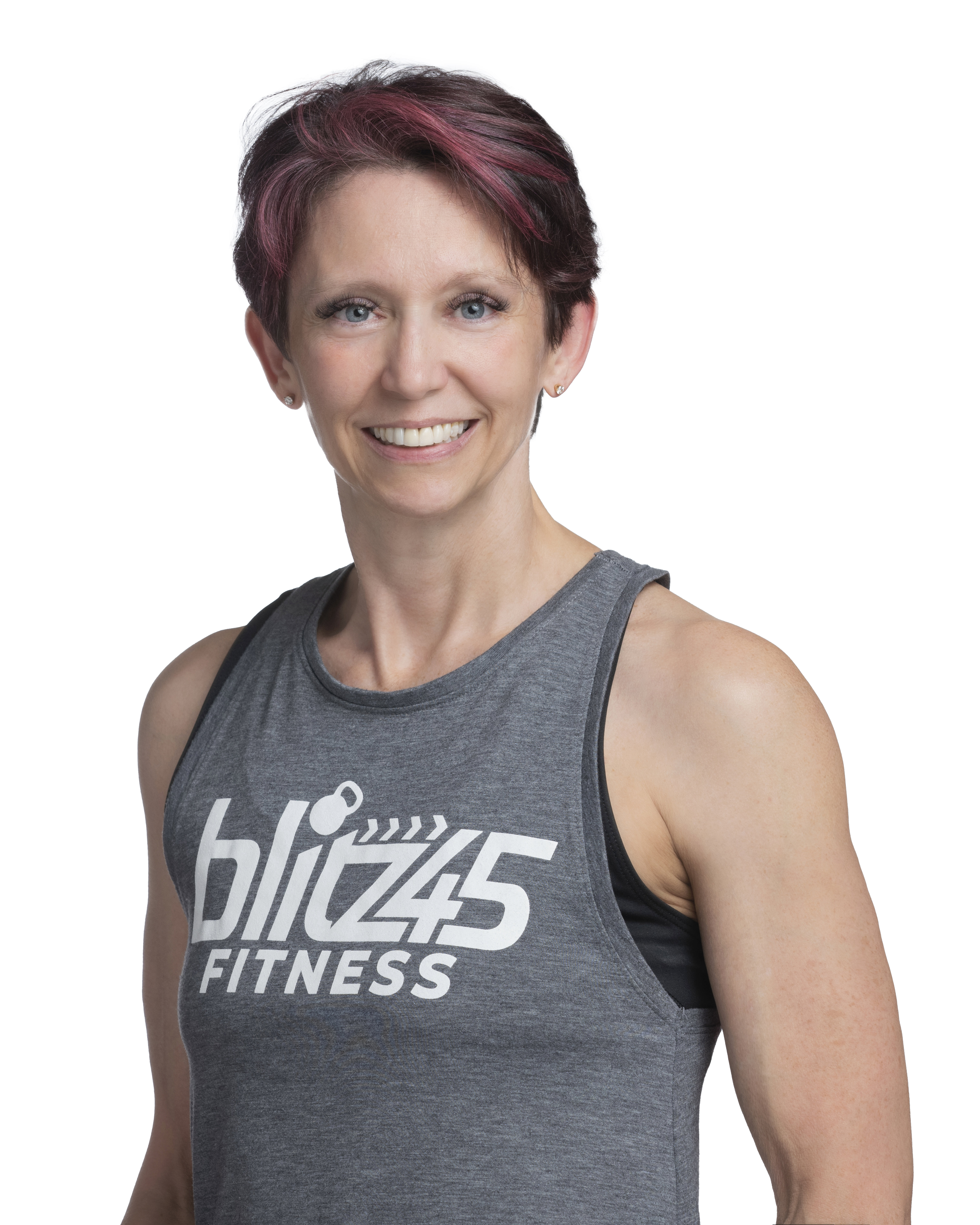
Final Word from Coach Diana
“You can do everything, just not all at once.
Give your body the right signal, at the right time, and it will respond.”
At Blitz45, we finish every strength session with 3–5 minutes of light cardio, not as a workout, but as an active cool-down. It helps lower your heart rate gradually, improve circulation, and kick-start recovery so you leave feeling strong, not spent.
It’s a simple but powerful habit that reinforces what we teach every day: smart training beats more training, every time.
Ready to Train Smarter?
If you’re tired of guessing how to balance strength and cardio, or you want to build endurance without losing your hard-earned muscle, we can help.
Our coaching team at Blitz45 Fitness Madison specializes in helping adults 40+ get stronger, move better, and feel more confident in their bodies.
Book your free consultation today and learn how to train for strength and stamina, without burning out in the process.
Book a Consultation ➜ https://api.leadconnectorhq.com/widget/booking/qWeQroB8lllCgQSZ1kyW